







 Advertisement for the Post of Assistant Professor (Consolidated Basis) in Different Disciplines of the
School of Agriculture Sciences and Engineering, MRSPTU, Bathinda (Reference: Advt. No.
MRSPTU/ESTB./2026/DPR/588)
Walk In Interview for the post of Assistant Professor (Purely on Lecture Basis).
Regarding Vacant Seats Of Non-AICTE Programmes for Session 2026-2027 Lateral Entry Batch Admissions.
UPGRADATION/CHANGE OF BRANCH & VACANT SEATS STATUS FOR AICTE / UA-AICTE / PCI PROGRAMMES AFTER UPGRADATION
FOR SESSION 2026-27-In regards.
Affiliation Process for the Existing/New Allied and Healthcare undergraduate programmes in compliance with
NCAHP guidelines for Academic Session 2026-27
Notice Regarding E-TENDER/MRSPTU/DPR/PURCHASE/2026/578 Dated: 28-04-2026.
Advertisement for the Post of Assistant Professor (Consolidated Basis) in Different Disciplines of the
School of Agriculture Sciences and Engineering, MRSPTU, Bathinda (Reference: Advt. No.
MRSPTU/ESTB./2026/DPR/588)
Walk In Interview for the post of Assistant Professor (Purely on Lecture Basis).
Regarding Vacant Seats Of Non-AICTE Programmes for Session 2026-2027 Lateral Entry Batch Admissions.
UPGRADATION/CHANGE OF BRANCH & VACANT SEATS STATUS FOR AICTE / UA-AICTE / PCI PROGRAMMES AFTER UPGRADATION
FOR SESSION 2026-27-In regards.
Affiliation Process for the Existing/New Allied and Healthcare undergraduate programmes in compliance with
NCAHP guidelines for Academic Session 2026-27
Notice Regarding E-TENDER/MRSPTU/DPR/PURCHASE/2026/578 Dated: 28-04-2026.


The International Conference on Precision Mechanical and Agriculture Solutions (ICPMAS) is a premier platform that brings together researchers, academicians, industry professionals, innovators, and policymakers to discuss cutting-edge advancements in mechanical engineering, precision technologies, and sustainable agricultural solutions.
The conference aims to foster interdisciplinary collaboration by addressing contemporary challenges in automation, smart machinery, robotics, renewable energy integration, AI-driven agriculture, and sustainable farming practices. It serves as a hub for sharing innovative research, exchanging ideas, and exploring industry–academia partnerships that can transform the future of mechanical and agricultural systems.
ICPMAS aspires to contribute toward global food security, resource optimization, and environmental sustainability by promoting precision solutions and engineering innovations tailored to modern agricultural needs.
Bathinda, known as the "City of Lakes", is one of the oldest cities in Punjab with a rich historical and cultural heritage. The city is home to the iconic Qila Mubarak Fort, which traces its legacy back more than 1,800 years.
Today, Bathinda is a rapidly developing urban center of the Malwa region, serving as a hub for education, agriculture, industry, and energy production. It houses major thermal power plants, fertilizer industries, and one of India's largest oil refineries.
Well-connected through road and rail networks, Bathinda successfully blends its glorious historical past with modern development. With renowned educational institutions, vibrant markets, and a growing industrial base, the city is emerging as a significant center for technical education and socio-economic growth in Punjab.
Punjab, located in the northwestern region of India, is a land of rich cultural heritage, agricultural prosperity, and historical significance. Known as the "Granary of India", Punjab has played a pivotal role in ensuring the nation's food security through progressive agricultural practices and technological advancements.
The state is renowned for its fertile alluvial plains, extensive canal irrigation systems, and adoption of modern farm mechanization, making it a hub for innovation in agriculture and allied engineering sciences.
Punjab's economy is strongly supported by agriculture, agro-based industries, education, and emerging technological sectors. The state continues to lead in agricultural research, innovation, and sustainable farming practices.
Culturally, Punjab is vibrant and welcoming, celebrated worldwide for its traditional music, folk dances such as Bhangra and Giddha, colorful festivals, and warm hospitality.
With excellent connectivity by road, rail, and air, Punjab offers a safe, comfortable, and enriching environment for academic collaboration and international exchange.
India, the world's largest democracy and one of the oldest civilizations, is a nation of remarkable diversity, innovation, and intellectual heritage. With a history spanning thousands of years, India has been a global center of learning, science, philosophy, culture, mathematics, engineering, agriculture, and medicine.
Today, India is among the fastest-growing major economies in the world and a global hub for higher education, research, and technological advancement. The country has made substantial progress in precision engineering, sustainable agriculture, renewable energy, digital technologies, and space research.
India's agricultural sector plays a crucial role in global food security, supported by extensive research institutions, modern mechanization, and climate-resilient farming practices. The nation's emphasis on innovation, entrepreneurship, and sustainability aligns strongly with the themes of ICPMAS.
Culturally, India is known for its unity in diversity, offering a rich mosaic of languages, traditions, cuisines, festivals, and art forms. With modern infrastructure, advanced communication networks, and warm hospitality, India provides an ideal environment for international scholars, researchers, and professionals to collaborate, exchange ideas, and build lasting partnerships.
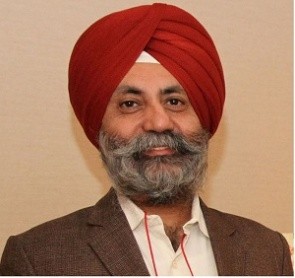
|
Prof. (Dr.) S. S. DhamiDepartment of Mechanical, NITTTR Chandigarh, India |
|
Prof. Rupinder SinghDepartment of Mechanical, NITTTR Chandigarh, India |
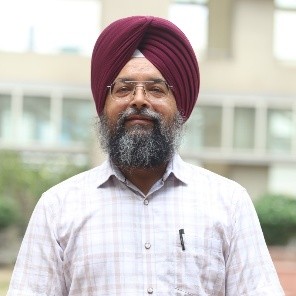
|
Prof. (Dr.) Harpreet SinghDepartment of Mechanical, IIT Ropar, Punjab, India |

|
Prof. (Dr.) Jeffry BergthorsonDepartment of Mechanical Engineering, McGill University, Montreal, Canada |
|
Prof. (Dr.) Richard McDermidSchool of Engineering, Macquarie University, Sydney, Australia |
|
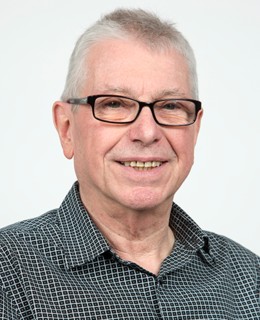
Prof. (Dr.) Luc BauwensDepartment of Mechanical and Manufacturing Engineering, University of Calgary, Canada |
|
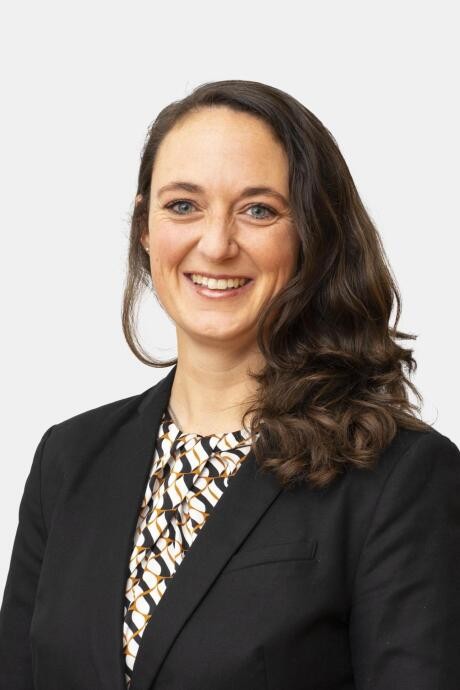
Prof. (Dr.) Denise MarinaroDepartment of Mechanical Engineering, University of Melbourne, Australia |
|
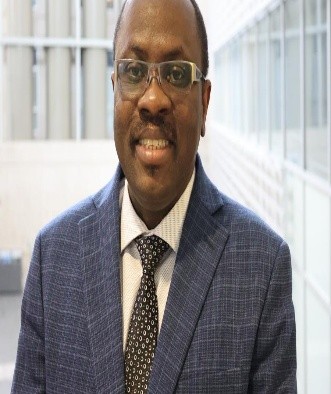
Prof. (Dr.) Olanrewaju (Lanre) OjoMechanical Engineering Faculty, University of Manitoba, Canada |
|
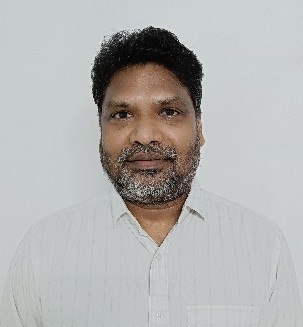
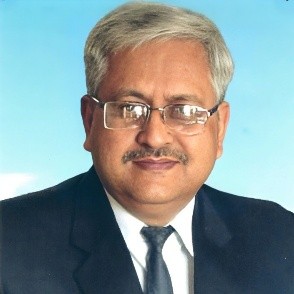
Prof. (Dr.) Subbarao P.M.V.Department of Mechanical Engineering, IIT Delhi, India |
|
Prof. (Dr.) Navneet AroraMechanical and Industrial Engineering Department, IIT Roorkee, India |
|
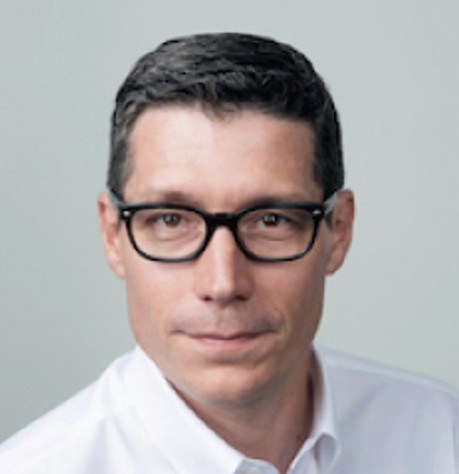
Prof. (Dr.) Amit AgrawalDepartment of Mechanical Engineering, IIT Bombay, India |
|
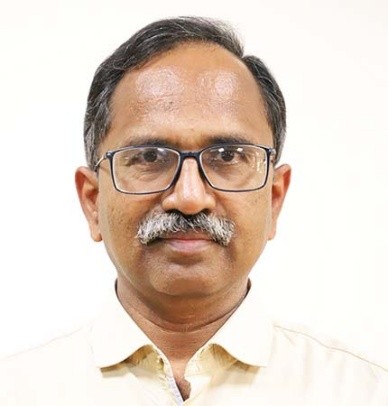
Prof. (Dr.) Roland BouffanaisDepartment of Mechanical Engineering, University of Ottawa, Canada |
|
Prof. (Dr.) Ashish Kamalakar DarpeDepartment of Mechanical Engineering, IIT Delhi, India |
|
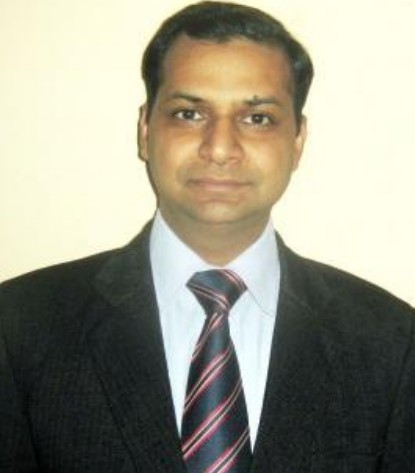
Prof. (Dr.) Pardeep JindalPunjabi University, Bathinda, Punjab, India |
|
Prof. (Dr.) Sina AdlCollege of Agriculture and Bioresources, University of Saskatchewan, Canada |
|
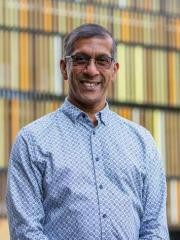
Prof. (Dr.) Sagadevan MundreeSchool of Agriculture and Food Sustainability, University of Queensland, Australia |
|
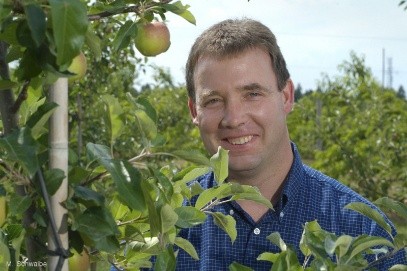
Prof. (Dr.) John A. ClineDepartment of Plant Agriculture, University of Guelph, Canada |
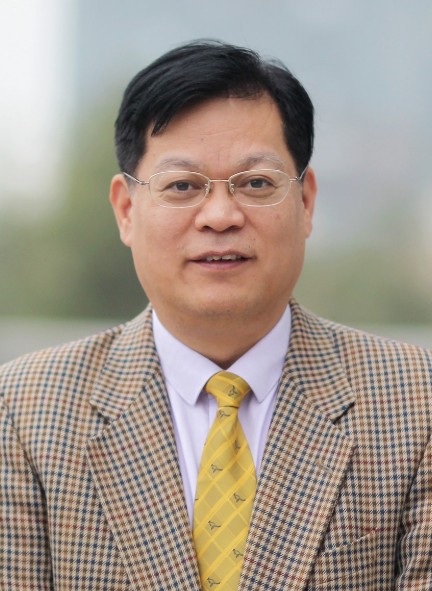
|
Prof. Yong-Guan ZhuChinese Academy of Sciences, China |
|
Prof. Narendra SinghDepartment of Agricultural Economics, Navsari Agricultural University, Gujarat, India |
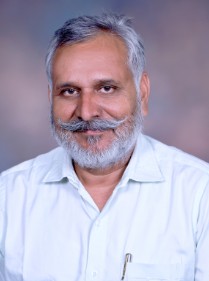
|
Prof. (Dr.) Ajmer Singh BrarCollege of Agriculture, Punjab Agricultural University, Ludhiana, India |
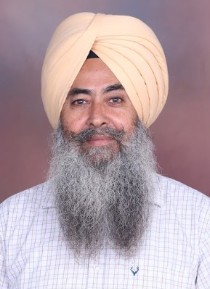
|
Prof. (Dr.) Kulvir Singh SainiCollege of Agriculture, Punjab Agricultural University, Ludhiana, India |
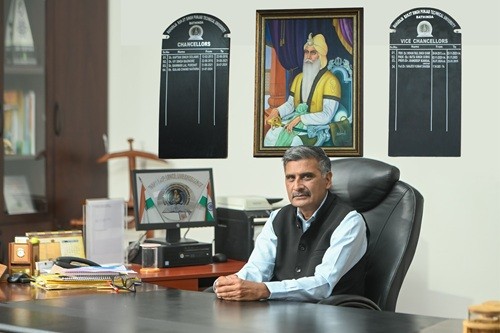
Vice Chancellor, MRSPTU, Bathinda
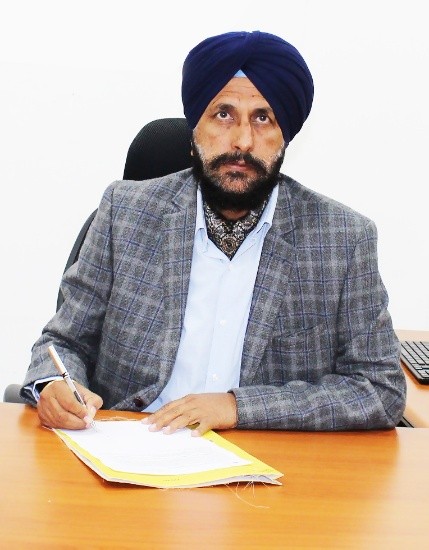
Registrar, MRSPTU, Bathinda
Campus Director, GZSCCET-MRSPTU, Bathinda
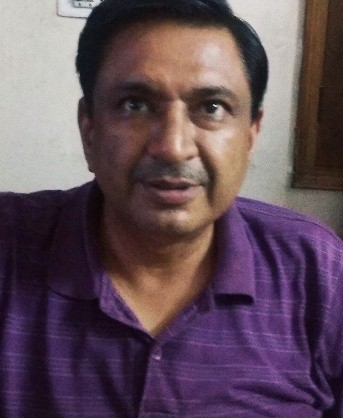
Head, MED-GZSCCET-MRSPTU
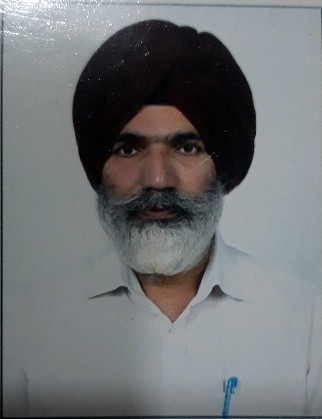
Head, SASE-MRSPTU
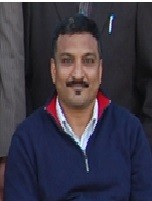
Professor, MED, GZSCCET-MRSPTU
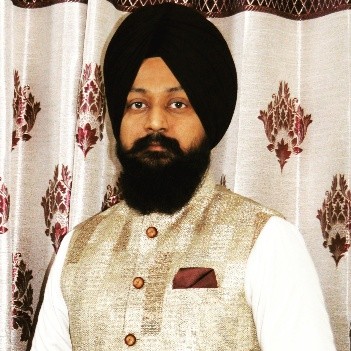
Assistant Professor, SASE, MRSPTU
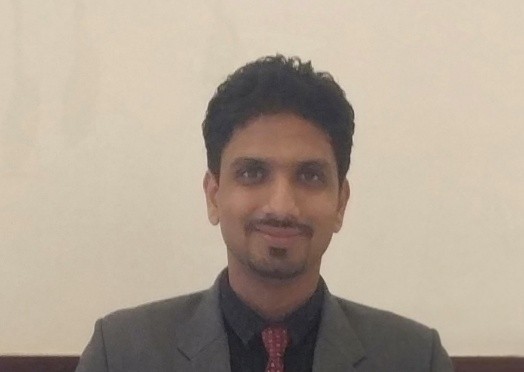
AP, SASE
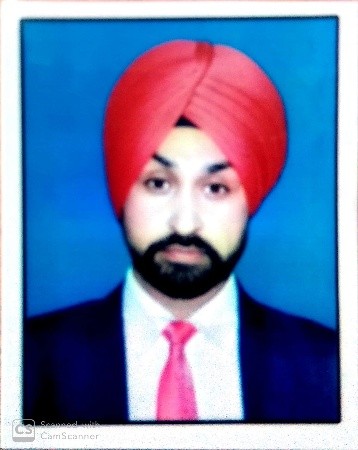
AP, MED
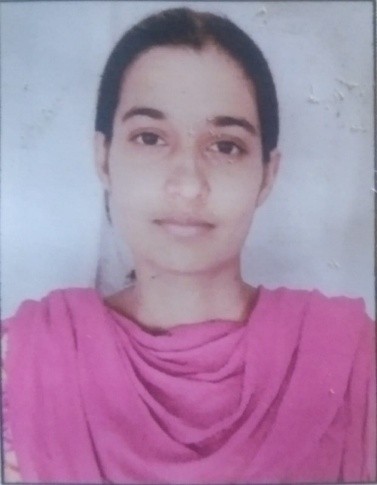
AP, SASE
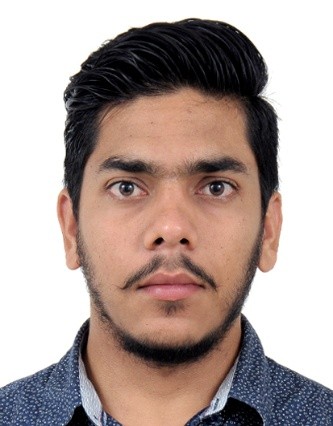
AP, MED
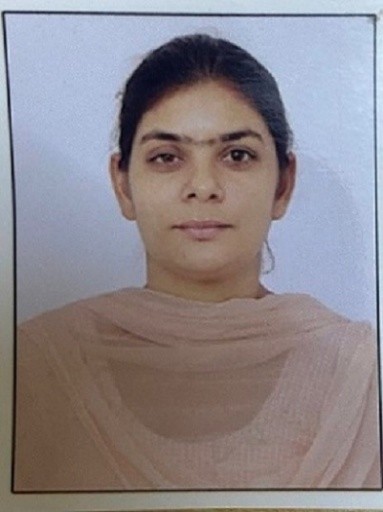
AP, SASE
AP, SASE
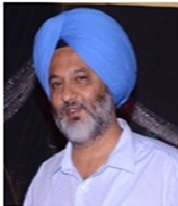
Director, PSAEC, MRSPTU
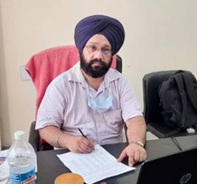
Director, PIT Rajpura
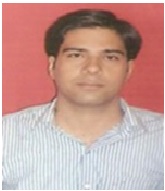
Director, PIT GTB Garh Moga
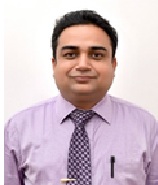
Dean Consultancy and Industrial Training
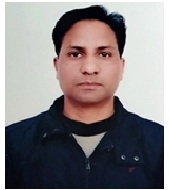
Dean Student Welfare, MRSPTU
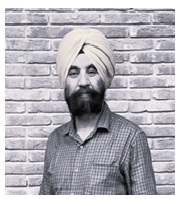
Director, Sports & Youth Welfare
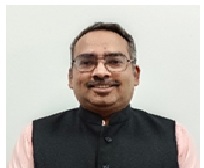
Director IQAC
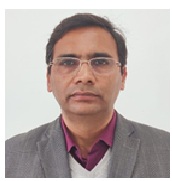
Head Department of Pharmacy
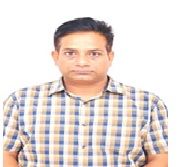
Director, CDC
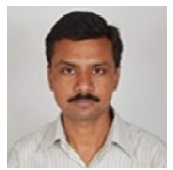
Controller of Examinations
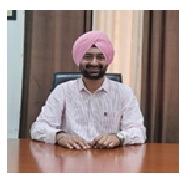
Head, Department of Food Sciences
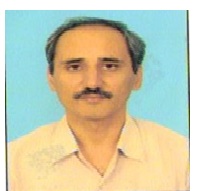
Professor & Head, Civil Engineering
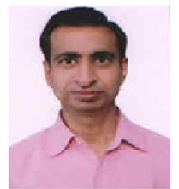
Finance Officer
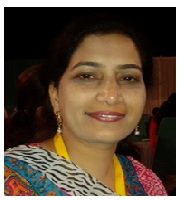
Head Department of Electrical Engineering
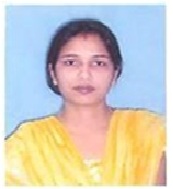
Head, Department of Mathematics
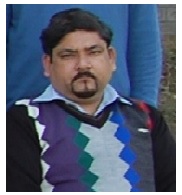
Department of Mechanical Engineering
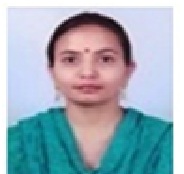
Head, Department of Physics
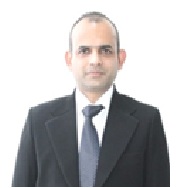
Head, Department of Computational Sciences
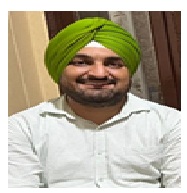
Head, University Business School
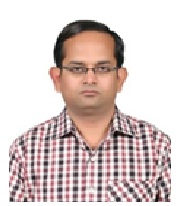
Head, Department of Chemistry
Paper Format: Download Template
Paper Template: Download Template
Registration Link: Register Here
Account Name: Maharaja Ranjit Singh Punjab Technical University
Bank: Central Bank of India
Account No: 5927998667
IFSC: CBIN0283469
MICR: 151016008
Email: icpmas@mrsptu.ac.in
Email: kanwaljitagri@mrsptu.ac.in
Conference Website: www.mrsptu.ac.in/ICPMAS_2026.php